.webp)
Why peopleIX — and not One Model?
Because modern HR teams don’t need enterprise BI complexity to create impact.
They need clarity, speed, and HR context — and that’s exactly what peopleIX delivers.
One Model is built for data teams. peopleIX is built for your people team.





.webp)


.webp)


When BI complexity slows decisions.
You’re using a tool designed for data-driven BI teams — not for fast, operational HR decision-making.
Heavy analytics instead of HR practicality
One Model prioritizes analytical depth and requires specialist expertise.
The result: insights depend on experts — not on your HR team.
Long implementation & high maintenance effort
Complex data modeling, setup, and onboarding consume resources and slow down decision-making.
Too slow for
fast action
If dashboards need to be manually built and interpreted, agility in workforce planning suffers — changes become slow and expensive.
With peopleIX, you get:
Without relying on IT or external analysts.
Instant transparency across your people KPIs
All key HR metrics — from turnover to hiring quality — are available immediately.No configuration, no data modeling, no waiting.
Contextual, actionable recommendations
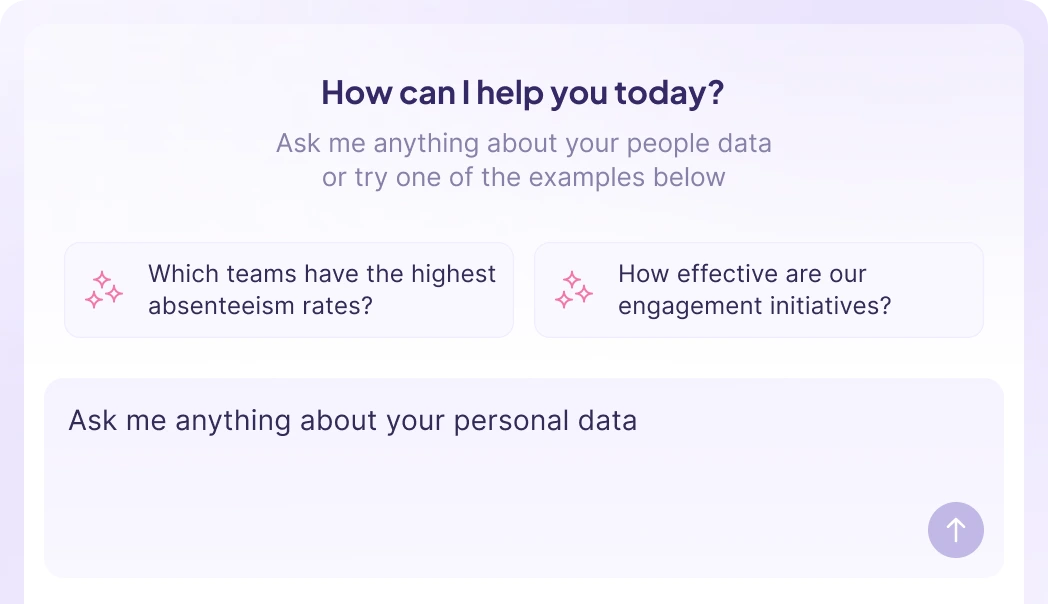
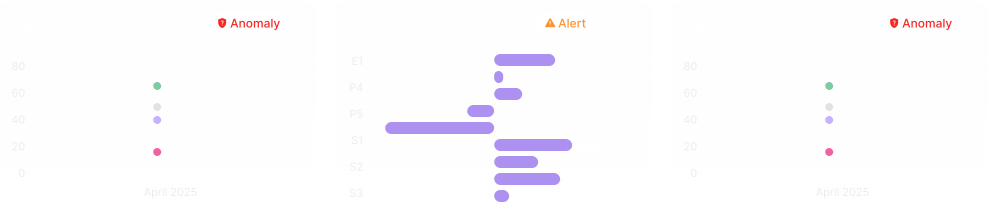
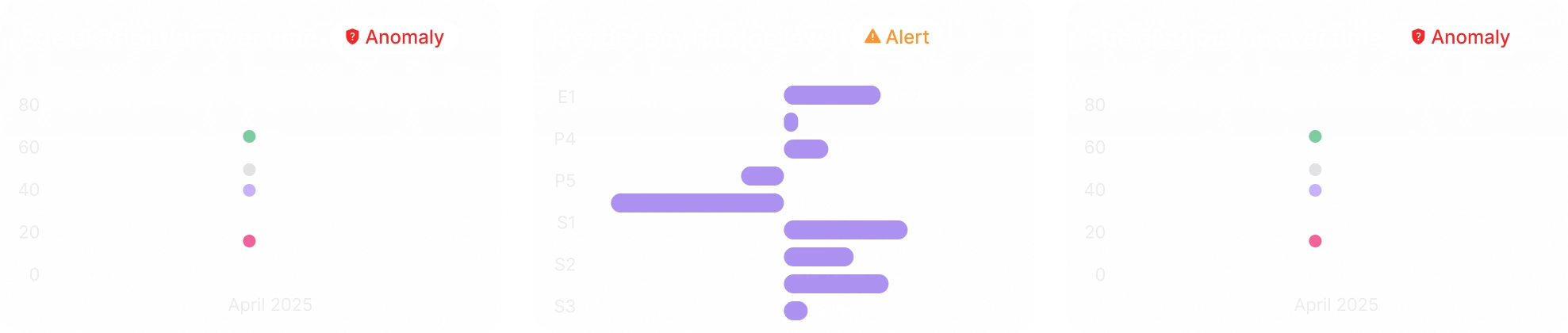
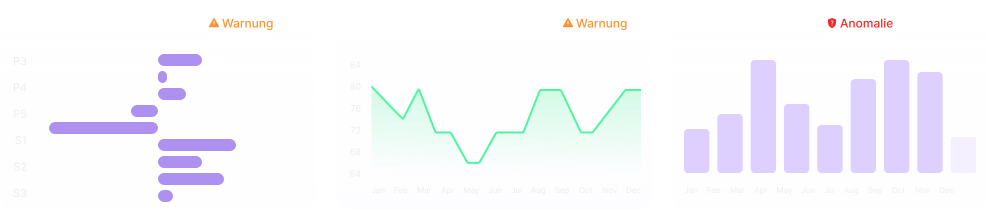
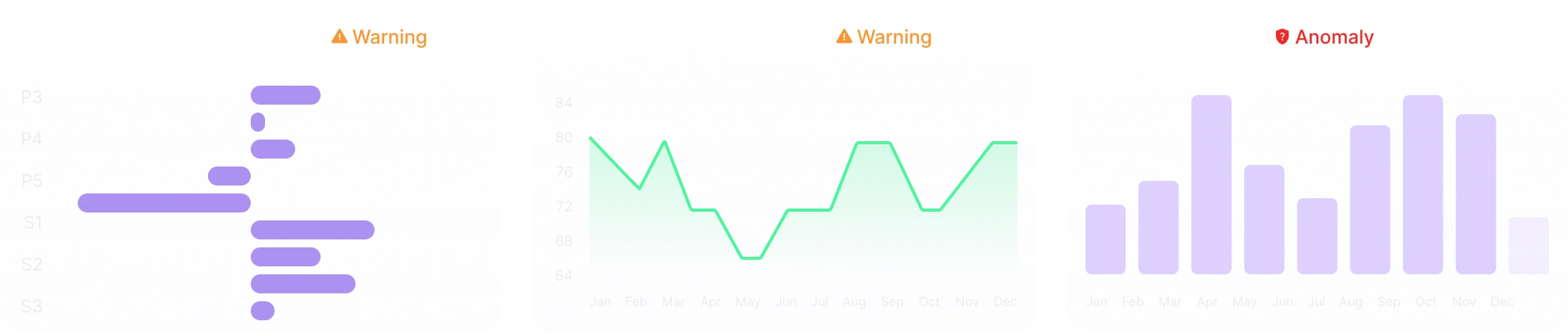
Instead of just numbers, peopleIX automatically highlights what matters:
Where turnover risks are rising.
Where hiring bottlenecks occur.
You see it at a glance.
A tool that truly
understands HR
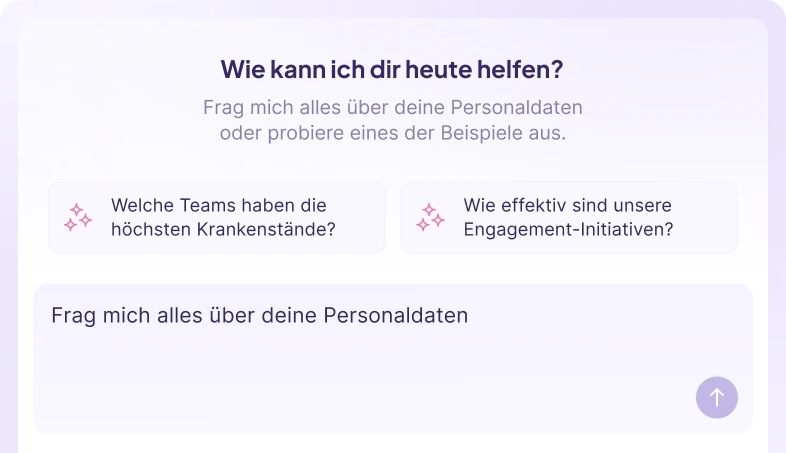
Intuitive dashboards, clear visuals, and HR-native language — so your team can independently work with data, no technical background required.
for better operational and strategic decisions
People data that drives real impact.
All your people data in one place
What does data-driven HR deliver? Real results, real customers.#People DataImpact


Potential cost savings for internal development ≥€10k
"We were able to see all the data and analysis in real-time within a few weeks that would have otherwise taken us several months."


20+ companies combine personnel data with peopleIX
Implementation was quick and hassle-free. peopleIX enabled individual data views for each of our companies, which improved analysis and usage.

.svg)

Implement and measure KPIs
It is important to me to support topics, initiatives and measures in the area of personnel with data. PeopleIX makes this easier for me today in a very professional way.
.webp)

From manual reporting to real-time insights
It is important to me to support topics, initiatives and measures in the area of personnel with data. PeopleIX makes this easier for me today in a very professional way.

Häufige Fragen – klar beantwortet
Du hast Fragen? Hier findest du die wichtigsten Antworten zu peopleIX, Funktionen, Datenanbindung und mehr.
Besser entscheiden:
peopleIX vs. andere Tools
Sieh dir an, wie peopleIX gegenüber anderen Tools und
Ansätzen abschneidet – von BI-Systemen bis zu manuellen Reports.
peopleIX vs. Excel
Excel stößt bei großen Daten an Grenzen. peopleIX automatisiert HR-Analysen schnell, sicher und fehlerfrei.
peopleIX vs. Visier
Weniger Komplexität, mehr Wirkung: peopleIX macht People Analytics einfach nutzbar – direkt, verständlich und handlungsorientiert.
peopleIX vs. Crunchr
Beide bieten HR-Analysen – doch mit peopleIX erhältst du Insights schneller, intuitiver und ohne Implementierungsaufwand.